
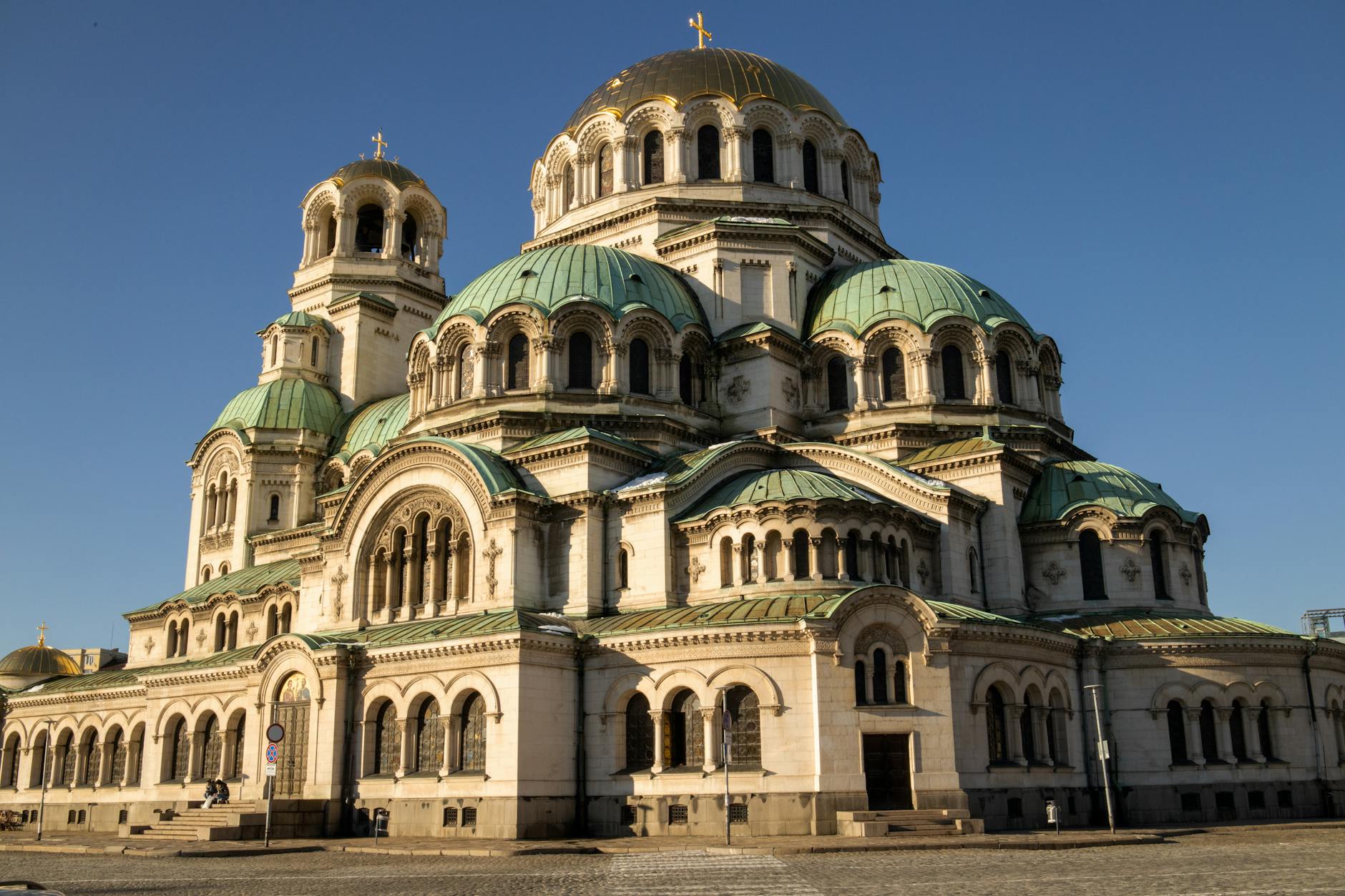
The 2026 Giro d’Italia kicks off in Bulgaria. The first few stages featured two sprint finishes and an unpredictable second stage marred by rain and a bad crash. After the chaotic opening weekend there is still much more racing to come, as the Giro lands in Italy to begin its journey towards Rome.
The Stages
Stage 1 — Nessebar to Burgas
Stage 1 was a 147km flat sprint southward along the coast of the Black Sea, interrupted with two small category 4 (the easiest category) climbs in the middle of the course. Nessebar, the starting town of this edition of the Giro, is a UNESCO world heritage site with a 3,000 year long history.
A big crash interrupted the sprint, creating a selection in the front with the final sprint contenders.

Twenty-two year old Paul Magnier (Team Soudal Quick-Step) won the stage and the first pink jersey with a fast sprint aided by a strong leadout.
Stage 2 — Burgas to Veliko Tarnovo
Stage 2 was the breakaway stage that wasn’t. It was the longest stage of the Bulgarian block, featuring three climbs in the back half of the stage. Bizarrely there wasn’t a breakaway fight and only two riders, working to secure the King of the Mountains jersey, went up ahead of the peloton to grab the available KOM points.
The defining moment of the stage was a severe crash, caused by slick road conditions from rain and debris. The crash brought down several riders and led to three UAE Team Emirates riders abandoning the race. Jay Vine and Marc Soler were unable to finish the stage and Adam Yates did not start stage three. All three could have been contenders for stage wins and Yates was the team’s ostensible GC leader.
After a brief neutralization Guillermo Silva, a Uruguayan rider on XDS-Astana, won the stage from a reduced group and gained the pink jersey in the process.
Stage 3 — Plovdiv to Sofia
The final stage towards Sofia was another sprint stage. Some cobbles added a bit of complexity to the otherwise straightforward sprint on a wide road. Paul Magnier won the sprint by a wheel, giving Soudal Quick-Step their second win of the race. Magnier’s win also cements him as a serious contender for the sprinter’s jersey.
The Dish: Banitsa
Bulgarian cuisine falls into the Balkan cuisine bucket, featuring lots of salads, stews, soups, and dairy. And Bulgarian yogurt is a whole thing. Which brings us to banitsa: a savory pastry made with filo dough, filled with a mixture of eggs, Bulgarian white cheese (similar to feta), and Bulgarian yogurt.
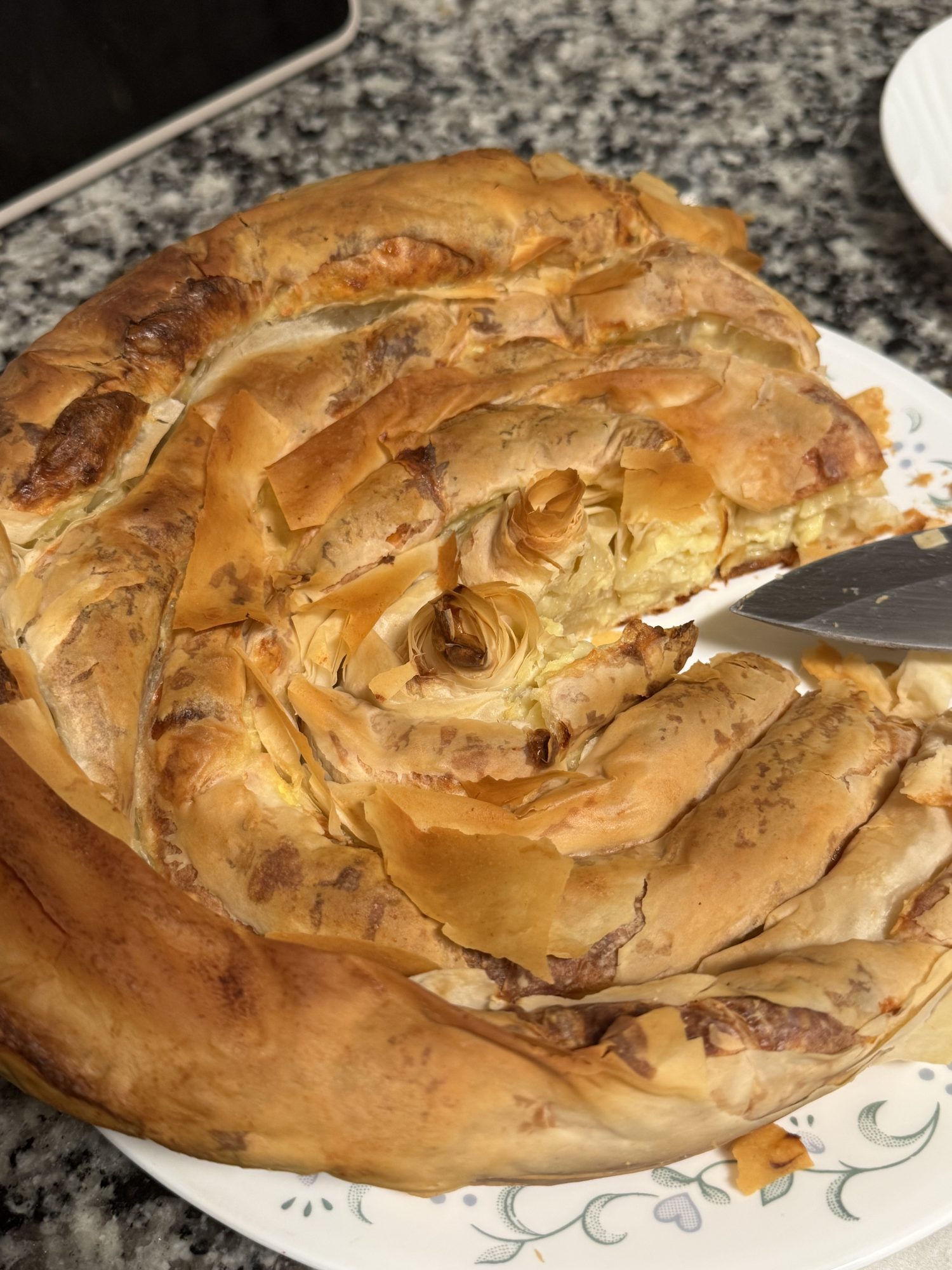
The recipe I followed was made with store-bought filo dough filled with feta, eggs, and Greek yogurt (because I couldn’t find Bulgarian yogurt, which is made with a different bacteria. Overall the banitsa was really easy to make. I made sure to use high-quality feta, since that’s the main thing driving the flavor. I made the filling in advance to have the pie fresh out of the oven when I was ready to eat it.
The filo was super crispy and the filling was a nice versatile base that could easily be served for breakfast or lunch. One could add other ingredients to change the flavor profile.
Next up, Italy!
Ciao!